
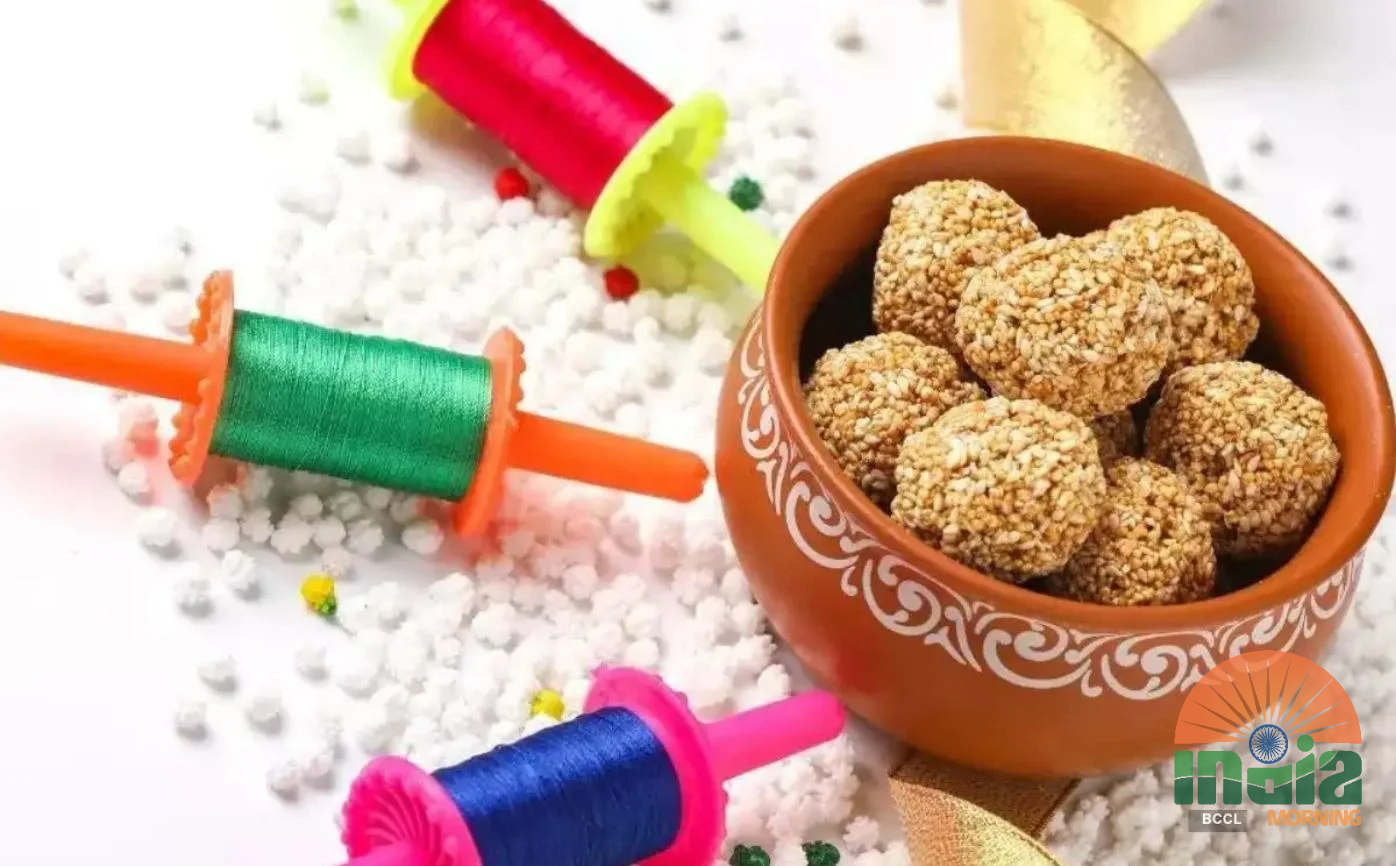
Makar Sankranti is one of the oldest festivals in India. It is special because it is based on the Sun’s movement, not on the moon like most Hindu festivals. This is why it comes around the same time every year, in the middle of January.The festival begins when the Sun enters Makara Rashi (Capricorn) and starts moving north. This journey is called Uttarayan. It is believed that this change brings light, warmth and positive energy into life.Many people ask the same question every year – will Makar Sankranti be on January 14 or January 15?
In 2026, the Sun enters Makara Rashi at 3:13 PM on January 14. This happens well before sunset. Because of this, the festival will be celebrated on January 14, 2026. There is no need to shift it to the next day.The most holy time on Makar Sankranti is called Punya Kaal. It begins shortly after the Sun changes its position and lasts for a few hours. In 2026, this sacred time also falls on January 14.
During this time, people:
1 Take holy baths in rivers or at home
2 Offer water to the Sun
3 Perform Surya Puja
4 Donate food, clothes, sesame seeds and jaggery
All important rituals should be done on January 14.
Makar Sankranti marks the end of the Sun’s southward journey and the start of its northward path. This change is seen as a symbol of hope and new beginnings.
Across India, people celebrate in different ways. Many take holy baths, pray to the Sun God, help the poor, and enjoy traditional foods like til laddoos, khichdi and sweets. These customs spread warmth, unity and joy.Makar Sankranti is special because it connects nature, faith and farming life. It reminds us to be thankful to the Sun and to welcome a fresh start filled with positivity.